Investment Strategies for Beginners
Welcome to the world of investing! It can seem daunting at first, but with the right knowledge and approach, you can build a solid financial future. At FinWell Financial Services, we believe that everyone can benefit from investing, regardless of their background or current financial situation. This guide will cover some fundamental investment strategies tailored for beginners, helping you understand the basics and make informed decisions.
Understanding Your Risk Tolerance
Before diving into specific investment options, it's crucial to understand your risk tolerance. Risk tolerance refers to your comfort level with the possibility of losing money in exchange for potentially higher returns. Generally, there are three primary risk profiles:
- Conservative: You prioritize preserving your capital and are not comfortable with significant fluctuations in your investment value.
- Moderate: You are willing to accept some risk to achieve moderate growth.
- Aggressive: You are comfortable with higher risk in pursuit of higher returns.
Your risk tolerance should influence your investment choices. Conservative investors might prefer lower-risk options like bonds or certificates of deposit (CDs), while aggressive investors may allocate a larger portion of their portfolio to stocks.
Investment Options for Beginners
Here are some of the most common investment options suitable for beginners:
Stocks
Stocks represent ownership in a company. When you buy stock, you become a shareholder and are entitled to a portion of the company's profits and assets. Stocks offer the potential for high returns, but they also come with higher risk compared to other investment options. Stock prices can fluctuate significantly based on market conditions, company performance, and economic factors.
Considerations:
- Individual Stocks: Buying individual stocks can be exciting, but it requires research and analysis to identify companies with strong growth potential. It's also riskier than investing in a diversified portfolio.
- Stock Mutual Funds and ETFs: These funds pool money from multiple investors to buy a variety of stocks. This diversification helps reduce risk.
Bonds
Bonds are essentially loans you make to a company or government. In return, you receive periodic interest payments (coupon payments) and the return of your principal at maturity. Bonds are generally considered less risky than stocks, but they also offer lower potential returns. They are often used to add stability to a portfolio.
Considerations:
- Government Bonds: Issued by national governments, these are considered very safe, especially those from stable countries.
- Corporate Bonds: Issued by companies, they offer higher yields than government bonds but also carry more risk.
- Bond Mutual Funds and ETFs: Similar to stock funds, these provide diversification across various bonds.
Mutual Funds
Mutual funds pool money from many investors to purchase a diversified portfolio of stocks, bonds, or other assets. They are managed by professional fund managers who make investment decisions on behalf of the fund's shareholders. Mutual funds offer instant diversification and can be a good option for beginners who lack the time or expertise to manage their own investments.
Considerations:
- Expense Ratios: These are annual fees charged to cover the fund's operating expenses. Lower expense ratios are generally better.
- Fund Performance: Review the fund's historical performance, but remember that past performance is not indicative of future results.
- Investment Objectives: Choose a fund that aligns with your risk tolerance and financial goals.
Exchange-Traded Funds (ETFs)
ETFs are similar to mutual funds in that they hold a basket of assets, but they trade on stock exchanges like individual stocks. ETFs often have lower expense ratios than mutual funds and can be bought and sold throughout the day. They offer flexibility and diversification, making them a popular choice for beginners.
Considerations:
- Index ETFs: These track a specific market index, such as the S&P 500, providing broad market exposure.
- Sector ETFs: These focus on specific industries or sectors, such as technology or healthcare.
Real Estate
Investing in real estate involves purchasing property with the goal of generating income through rent or appreciation. Real estate can be a tangible asset and can provide a hedge against inflation. However, it also requires significant capital and can be illiquid (difficult to sell quickly).
Considerations:
- Direct Ownership: Buying a rental property requires managing tenants and maintaining the property.
- Real Estate Investment Trusts (REITs): REITs are companies that own and operate income-producing real estate. Investing in REITs allows you to gain exposure to the real estate market without directly owning property.
The Importance of Diversification
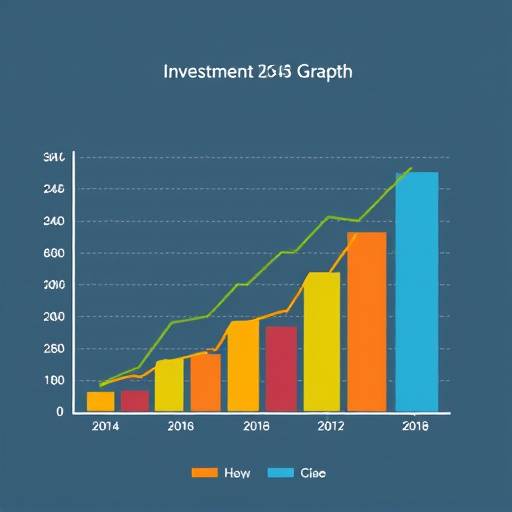
Diversification is a key principle of investing. It involves spreading your investments across a variety of asset classes, industries, and geographic regions to reduce risk. By diversifying, you are less vulnerable to the negative impact of any single investment performing poorly.
Example: Instead of investing all your money in one stock, you could invest in a mix of stocks, bonds, and real estate. This way, if one asset class declines, the others may offset the losses.
Long-Term Investing
Investing is a long-term game. Avoid making impulsive decisions based on short-term market fluctuations. Stay focused on your financial goals and maintain a disciplined approach. Consider setting up a regular investment schedule, such as contributing a fixed amount each month. This strategy, known as dollar-cost averaging, can help you buy more shares when prices are low and fewer shares when prices are high, potentially leading to better long-term returns.
Getting Started
Opening an investment account is easier than ever. Many online brokers offer commission-free trading and a wide range of investment options. Before opening an account, compare different brokers and choose one that meets your needs.
FinWell Financial Services Recommendation: For beginners, consider starting with a robo-advisor. These automated investment platforms build and manage your portfolio based on your risk tolerance and financial goals. They are a convenient and cost-effective way to start investing.
Seek Professional Advice
If you're unsure where to start or need help developing a personalized investment strategy, consider consulting with a financial advisor. A qualified advisor can assess your financial situation, understand your goals, and provide tailored recommendations.
At FinWell Financial Services, we offer personalized financial planning services to help you achieve your financial goals. Our team of experienced advisors can guide you through the investment process and help you make informed decisions.
Contact us:
FinWell Financial Services
123 Financial Plaza, Suite 500
Chicago, IL 60601
Phone: (312) 555-1212
Email: info@finwellservices.com
Investing involves risk, and there is always the potential to lose money. However, with a well-diversified portfolio, a long-term perspective, and a solid understanding of your risk tolerance, you can increase your chances of achieving your financial goals.