Budgeting Basics: Taking Control of Your Finances
Welcome to FinWell's guide to budgeting basics! Learning to budget is the first step towards financial well-being. A well-crafted budget allows you to understand where your money is going, make informed financial decisions, and achieve your financial goals. Whether you're saving for a down payment on a home in San Francisco, paying off student loans, or simply trying to make ends meet, budgeting is an essential skill.
Understanding the Fundamentals
Budgeting isn't about restricting yourself; it's about strategically allocating your resources. It's a roadmap that guides your spending and saving decisions. This section will explore the core principles of creating and maintaining an effective budget.
Tracking Your Income and Expenses
The foundation of any successful budget is a clear understanding of your income and expenses. Before you can create a budget, you need to know how much money you're bringing in and where it's going.
Income Tracking
Start by calculating your total income. This includes:
- Salary: Your regular paycheck after taxes and deductions.
- Side Hustles: Income from freelance work, part-time jobs, or other ventures.
- Investments: Dividends, interest, or rental income.
- Other Sources: Any other income sources, such as alimony or child support.
Calculate your average monthly income to get a clear picture of your available funds. It's often more reliable to use net income (after taxes and deductions) for budgeting purposes.
Expense Tracking
Tracking your expenses is equally important. You need to know where your money is actually going. Here are a few methods to track your expenses:
- Budgeting Apps: Apps like Mint, YNAB (You Need a Budget), and Personal Capital can automatically track your spending by linking to your bank accounts and credit cards.
- Spreadsheets: Create a simple spreadsheet using Google Sheets or Microsoft Excel to manually record your income and expenses.
- Notebook: Keep a small notebook to jot down every purchase you make.
Categorize your expenses to identify spending patterns. Common expense categories include:
- Housing: Rent or mortgage payments, property taxes, homeowners insurance.
- Transportation: Car payments, gas, public transit fares, maintenance.
- Food: Groceries, dining out, coffee.
- Utilities: Electricity, gas, water, internet, cable.
- Healthcare: Insurance premiums, doctor visits, prescriptions.
- Debt Payments: Credit card bills, student loans, personal loans.
- Entertainment: Movies, concerts, hobbies.
- Personal Care: Haircuts, toiletries, gym memberships.
- Savings: Emergency fund, retirement contributions, vacation savings.
After a month of tracking, analyze your spending to identify areas where you can cut back.
Creating a Budget Plan
Once you have a clear understanding of your income and expenses, you can create a budget plan. There are several popular budgeting methods to choose from.
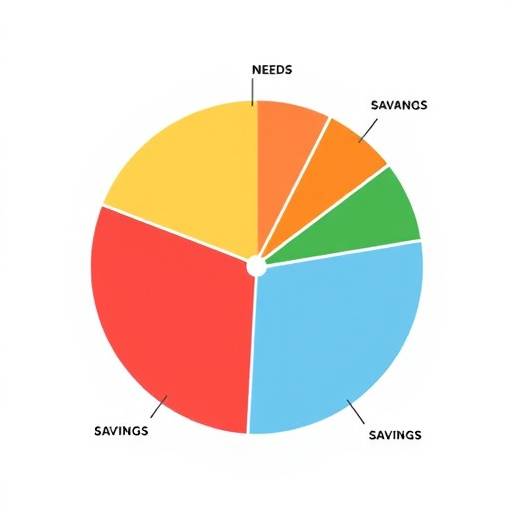
The 50/30/20 Rule
This simple rule allocates your income into three categories:
- 50% Needs: Essential expenses like housing, transportation, food, and utilities.
- 30% Wants: Non-essential expenses like dining out, entertainment, and hobbies.
- 20% Savings and Debt Repayment: Saving for the future and paying off debt.
The 50/30/20 rule is easy to understand and implement, making it a great starting point for beginners.
Zero-Based Budgeting
With zero-based budgeting, you allocate every dollar of your income to a specific purpose. Your income minus your expenses should equal zero. This method requires careful planning but ensures that every dollar is accounted for.
Envelope Budgeting
Envelope budgeting involves using cash for specific categories. You allocate a certain amount of cash to each envelope (e.g., groceries, entertainment) at the beginning of the month. Once the envelope is empty, you can't spend any more in that category. This method helps you control your spending and stay within your budget.
Setting Financial Goals
Budgeting is more effective when you have clear financial goals. Goals provide motivation and direction, helping you stay focused and committed to your budget.
Short-Term Goals
Short-term goals are typically achievable within a year. Examples include:
- Building an emergency fund of $1,000.
- Paying off a small credit card balance.
- Saving for a vacation.
- Buying a new appliance.
Mid-Term Goals
Mid-term goals take one to five years to achieve. Examples include:
- Saving for a down payment on a car.
- Paying off student loans.
- Saving for a wedding.
- Investing in a Roth IRA.
Long-Term Goals
Long-term goals take five years or more to achieve. Examples include:
- Saving for retirement.
- Buying a house.
- Funding your children's education.
Make your goals SMART: Specific, Measurable, Achievable, Relevant, and Time-bound.
Tips for Sticking to Your Budget
Creating a budget is one thing; sticking to it is another. Here are some tips to help you stay on track:
Budgeting Tips
- Automate Savings: Set up automatic transfers to your savings account to ensure you're consistently saving money.
- Review Your Budget Regularly: Review your budget at least once a month to make adjustments as needed.
- Track Your Progress: Monitor your progress towards your financial goals to stay motivated.
- Find an Accountability Partner: Share your budget with a friend or family member who can provide support and encouragement.
- Avoid Impulse Purchases: Give yourself time to think before making non-essential purchases.
- Use Cash for Certain Categories: Limit spending in categories like dining out or entertainment by using cash.
- Reward Yourself: Celebrate your progress with small, budget-friendly rewards.
Managing Spending Habits
Your spending habits play a significant role in your ability to stick to a budget. Identifying and changing negative spending habits can make a big difference.
Identify Your Spending Triggers
What situations or emotions trigger you to overspend? Common triggers include:
- Stress
- Boredom
- Advertising
- Social pressure
Once you identify your triggers, you can develop strategies to avoid or manage them.
Develop Healthy Spending Habits
Here are some tips for developing healthy spending habits:
- Create a Shopping List: Before going to the store, make a list and stick to it.
- Avoid Shopping When You're Emotional: Don't shop when you're feeling stressed, sad, or bored.
- Unsubscribe from Marketing Emails: Reduce temptation by unsubscribing from promotional emails.
- Wait 24 Hours Before Making a Purchase: Give yourself 24 hours to think about whether you really need an item before buying it.
- Find Free or Low-Cost Activities: Explore free or low-cost activities to replace expensive habits.
FinWell Financial Services: Your Partner in Financial Success
At FinWell Financial Services, located at 555 Market Street, Suite 1200, San Francisco, CA 94105, we're committed to helping you achieve your financial goals. Our team of experienced financial advisors, including Sarah Chen and David Rodriguez, offer personalized budgeting advice and financial planning services. Contact us at (415) 555-3434 or email us at info@finwellservices.com to schedule a consultation. We also offer online webinars and workshops to help you master budgeting and other essential financial skills. Visit our website to learn more about our services and resources.
Remember, budgeting is a journey, not a destination. Be patient with yourself, celebrate your successes, and learn from your mistakes. With dedication and the right tools, you can take control of your finances and achieve your dreams.